Rooted in Quality: Grass-Fed Pot Roast With Seasonal Root Vegetable Mash
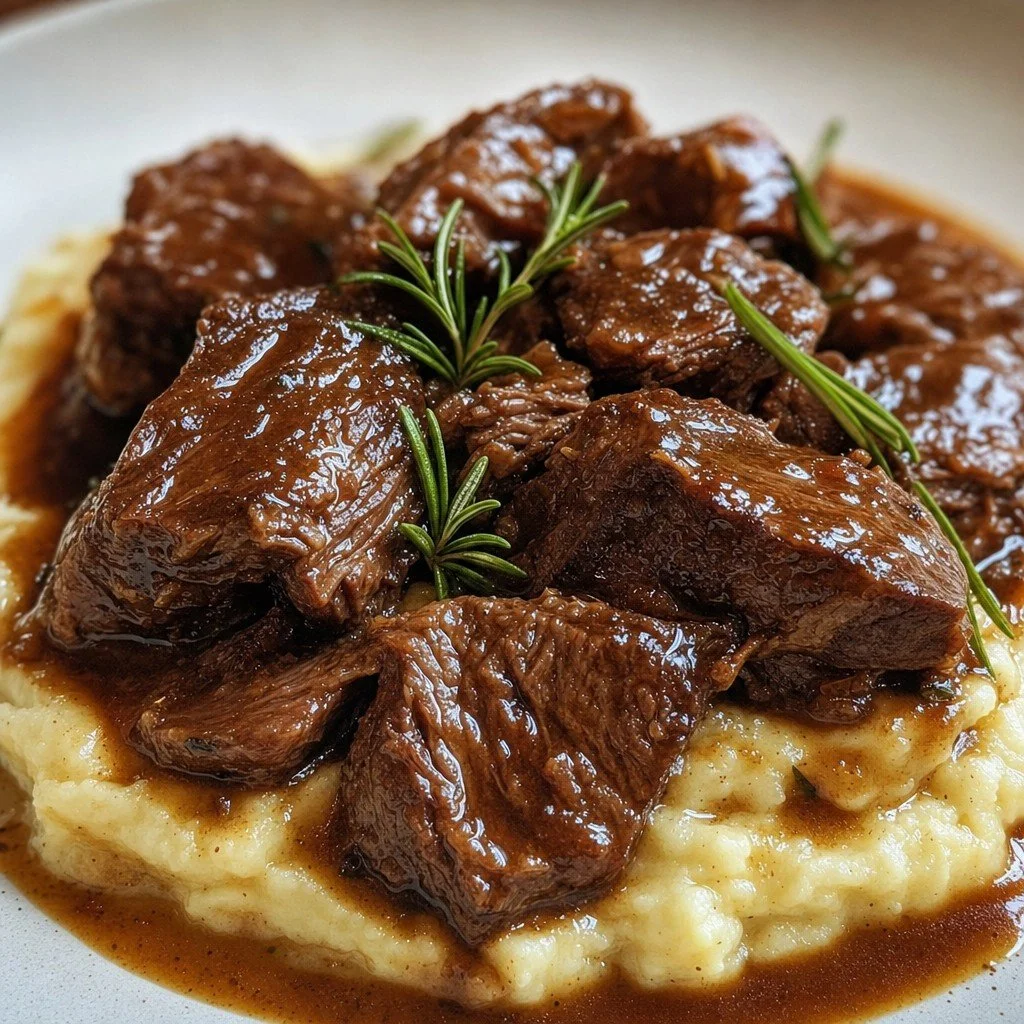
Your Reward for Being Patient
Real ingredients meeting the high standard of 100% grass-fed beef.
Your will LOVE IT !!!
As the Michigan mornings start to get that crisp edge in September, our priorities at the table tend to shift.
We move away from the quick heat of the grill and start looking for something a bit more foundational. I think they call it nesting, or maybe just a natural response to the turning of the year.
Pot roast is the ultimate "long game" meal. It takes patience.
It’s built on the chuck roast or arm roast—cuts that come from the hard-working muscles of the animal.
Because our beef is 100% grass-fed and finished, these cuts have a depth of flavor that you won't find in a grocery store. But they also require a different kind of respect. You can’t rush a chuck roast; you have to give it time to break down properly.
Most recipes try to find a shortcut by using canned soups or processed fillers to create a gravy. To me, that’s just adding noise to a premium piece of meat.
When you start with a high-quality foundation, you can cut out all that stuff. This recipe is about a straightforward approach: a good sear, a slow braise and real vegetables.
It’s a disciplined way to feed your family that actually gives you your afternoon back while the oven does the work.

Ingredients
3–4 lb NCR 100% Grass-Fed Chuck or Arm Roast
The Seasoning: 2 tsp Coarse Sea Salt and 1 tsp Cracked Black Pepper.
The Braise: 2 tbsp beef tallow or butter, 1 white onion (quartered), 3 cloves garlic (smashed) and 2 cups beef bone broth.
The Root Mash: 1 lb potatoes, 2 large parsnips and 2 large carrots (peeled and chopped). You can substitute rutabaga, turnips
The Herb Gravy: 2 sprigs each of fresh rosemary and thyme and 1 tbsp corn starch powder (or flour) mixed with a little water.
Jim’s Tip
Grass-fed roasts are sometimes leaner, not always - but sometimes, and have more structural integrity than grain-fed beef.
If you cook them too fast or at too high a temperature, the meat will usually tighten up and get tougher.
Keep your oven at 275°F or slow cooker on the low setting.
Patience is the only way to get a tender result with 100% grass-fed beef.
Directions
The Sear: Pat the roast dry and season it generously. Heat your tallow or butter in a Dutch oven (or if using clow cooker, just use your best large skillet for this step) over medium-high heat. Sear the meat until a deep brown crust forms on ALL sides. Don't rush this—the sear is where the flavor foundation is built.
The Braise: Remove the meat. Toss the onion and garlic into the pot/skillet for 2 minutes to soften. Return the meat to the pot and pour in the bone broth until the roast is 1/3 submerged. Don’t drown it, but don’t let it dry out either. Depending on the cut, sometimes more or less is needed. It’s not an exact science, that’s why most professional chefs say that cooking is a blend of art and science. After all, it’s your creativity that makes the food truly delish!
The Slow Cook: Cover tightly and place in a 275°F oven or slow cooker on low setting for 6 to 8 hours. You’ll know it’s ready when the meat pulls apart easily with a fork. If it’s still warm outside, keep your home cool and use the slow cooker or wait til the end of the month for this recipe.
The Root Mash: With 30 minutes or so left on the roast, boil your potatoes, parsnips and carrots until soft. Mash them together with a pat of butter and a splash of broth. It's a nutrient-dense alternative to plain potatoes that matches the flavor of the beef. Alternatively, you can also add them to the Dutch oven for the last 1-2 hours, then pull them out to mash them up. You might lose a little broth, but that’s an easy fix.
The Herb Gravy: Strain the liquid from the Dutch oven, or crockpot, into a small saucepan. Add the fresh herbs and simmer for 5 minutes. Whisk in your corn starch or flour mixture and stir until it thickens into a rich gravy.
Simple ingredients. Better results.
To the good life,
Jim
Your Personal Rancher